
Sitemap
Page
Blog Post

Learn what a comparative market analysis is, how real estate professionals choose comps, and how a CMA helps buyers and sellers make informed decisions.
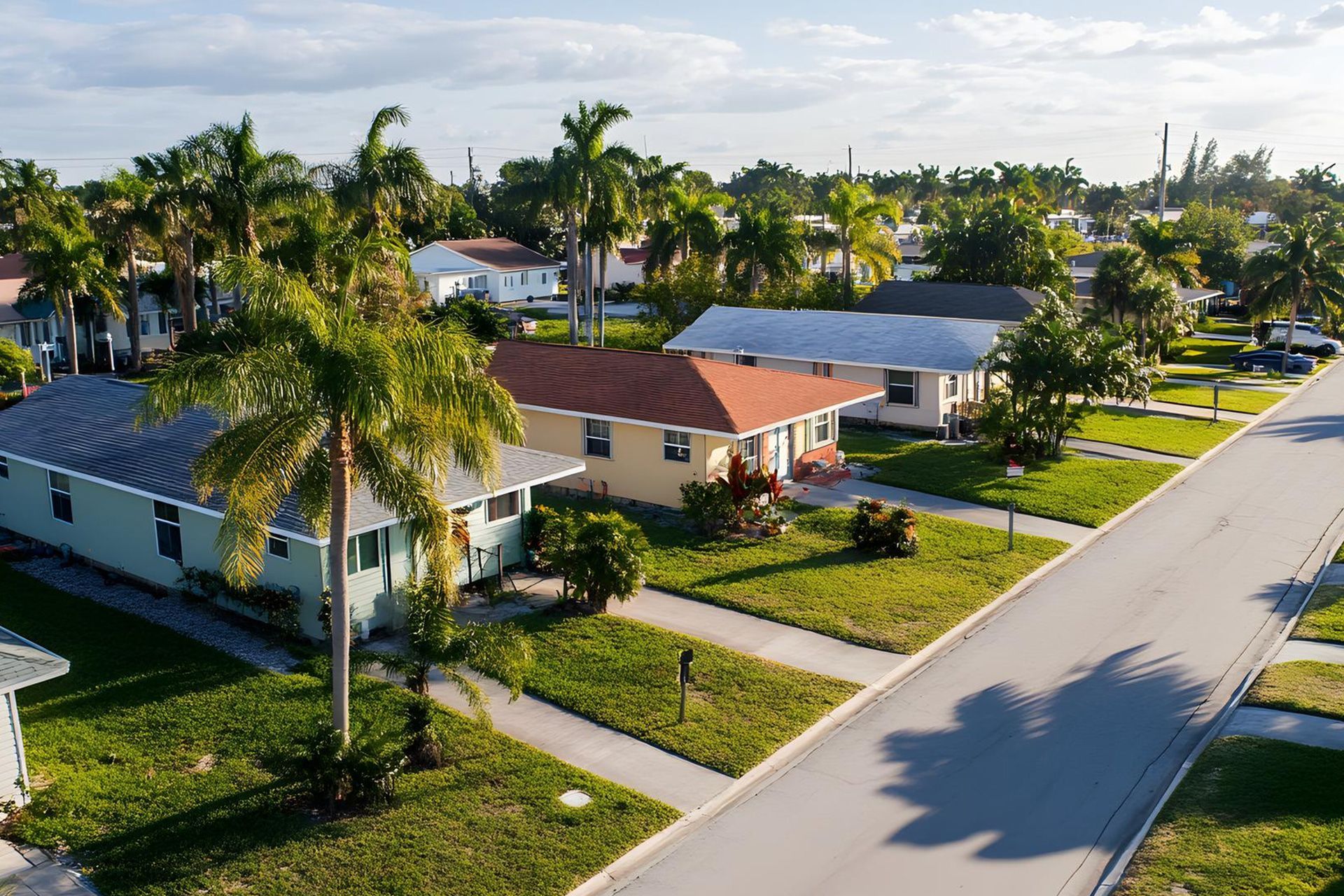
Explore the 2026 Florida first-time homebuyer process, including mortgage options, assistance programs, inspections, insurance, and closing steps.
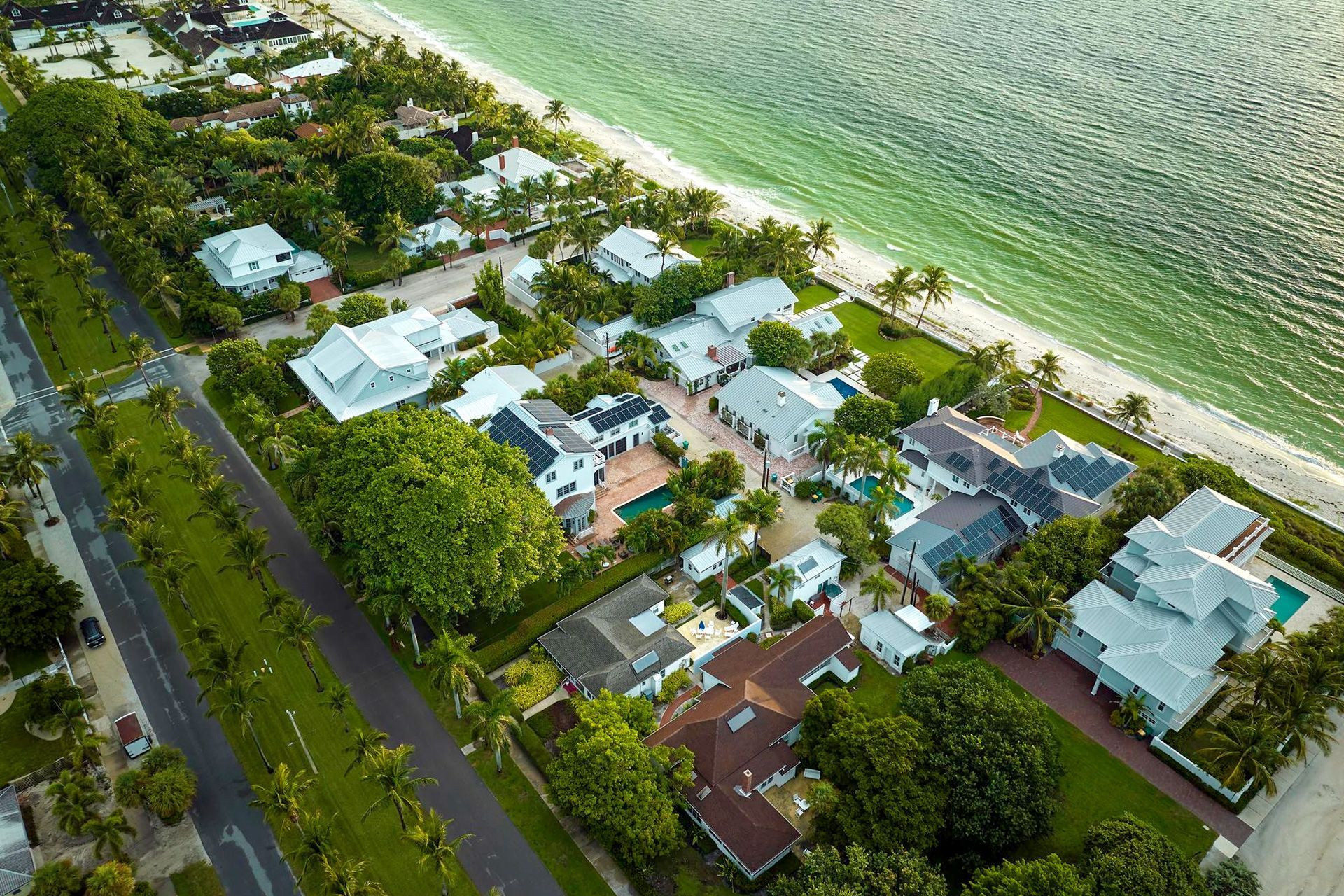
Explore Florida real estate trends for 2026, including housing inventory, mortgage rates, property values, and key insights for homebuyers and sellers.

Learn how to estimate your home’s market value using comparable sales, condition, location, market trends, and professional real estate analysis.
Learn the 2026 home construction timeline, including planning, permits, framing, finishes, inspections, common delays, and key project stages.

Learn how Florida building codes affect permits, inspections, wind requirements, product approvals, and planning before starting a home project.
Discover smart renovation ideas that can improve home appeal, function, and resale potential, from kitchens and bathrooms to curb appeal and lighting.
Compare new construction and existing homes, including features, maintenance, renovation potential, and key factors to consider before buying.
Follow this commercial property maintenance checklist to keep your building safe, efficient, functional, and well-maintained throughout the year.
Explore practical home renovation strategies for real estate investors, from property evaluation and planning to durable upgrades and project coordination.
Not sure whether to renovate or rebuild your home? Compare structure, layout, site limits, and long-term goals before choosing the right project path.
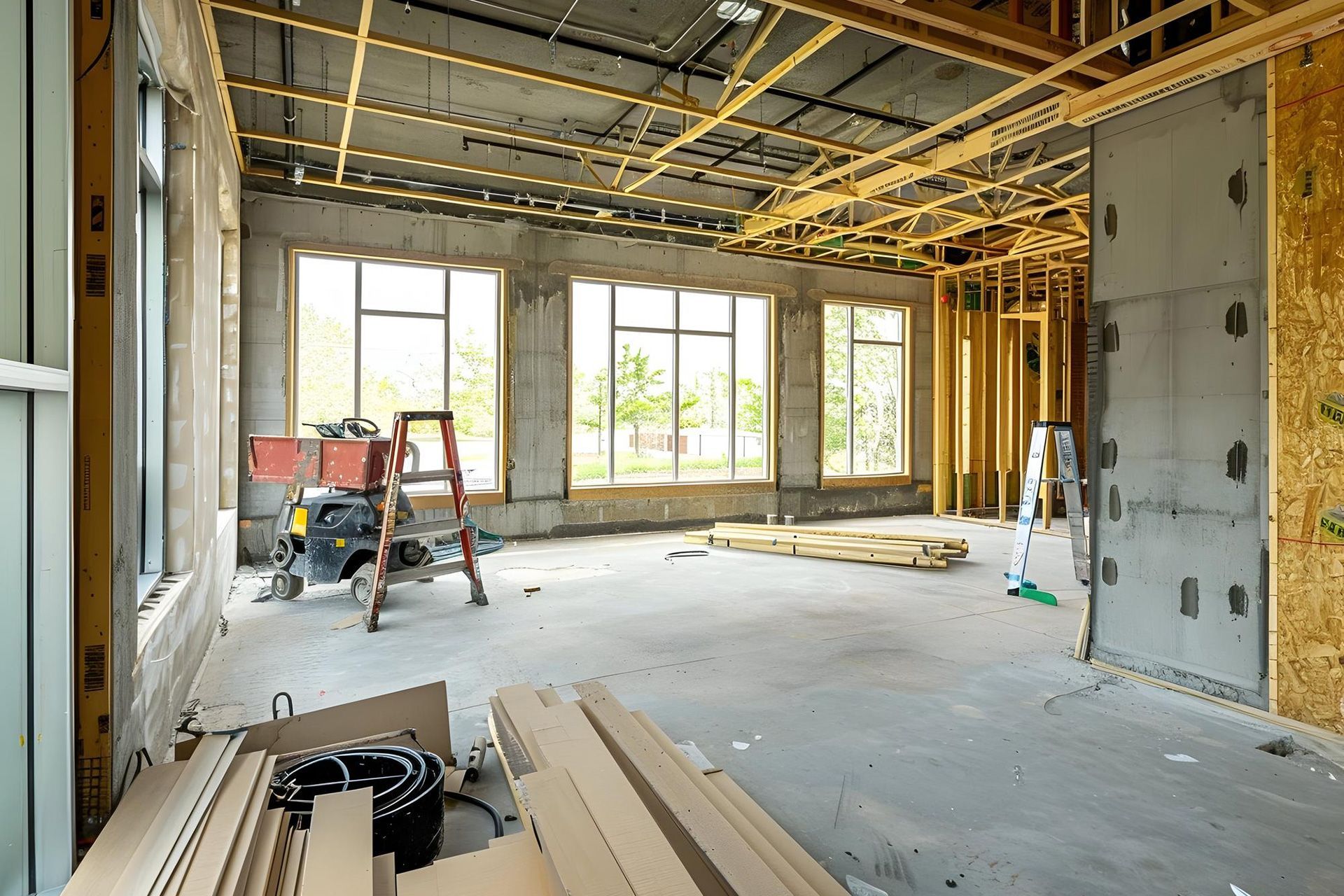
Learn the difference between refurbishment, renovation, and reconstruction, including when each option makes sense for residential or commercial property.
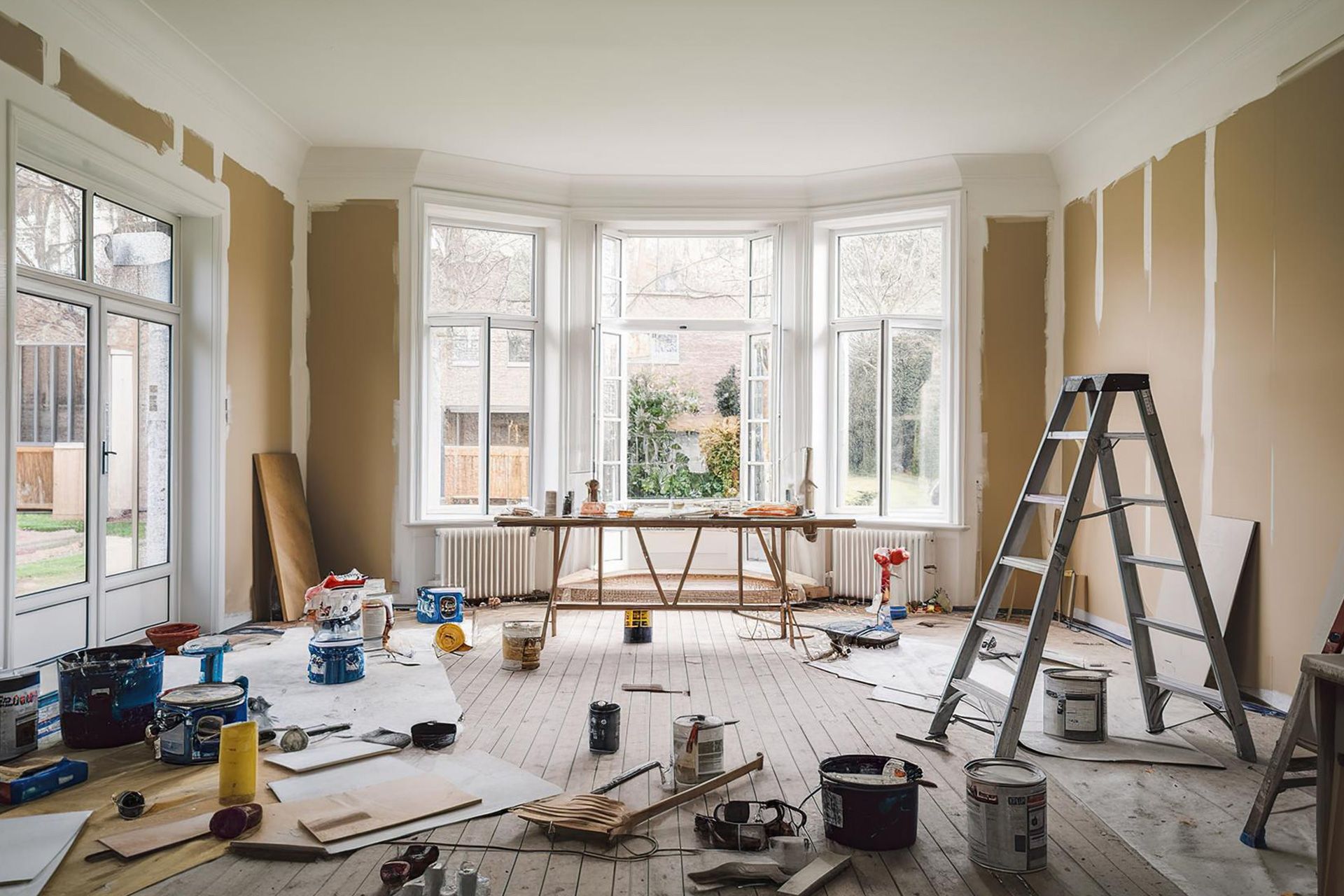
Learn the difference between fit-outs and renovations, when each is needed, and how to choose the right solution for your residential or commercial property.

What is interior fit-out? Learn what the process includes and how Sunshine Property Group helps create functional spaces for South Florida homes and businesses.
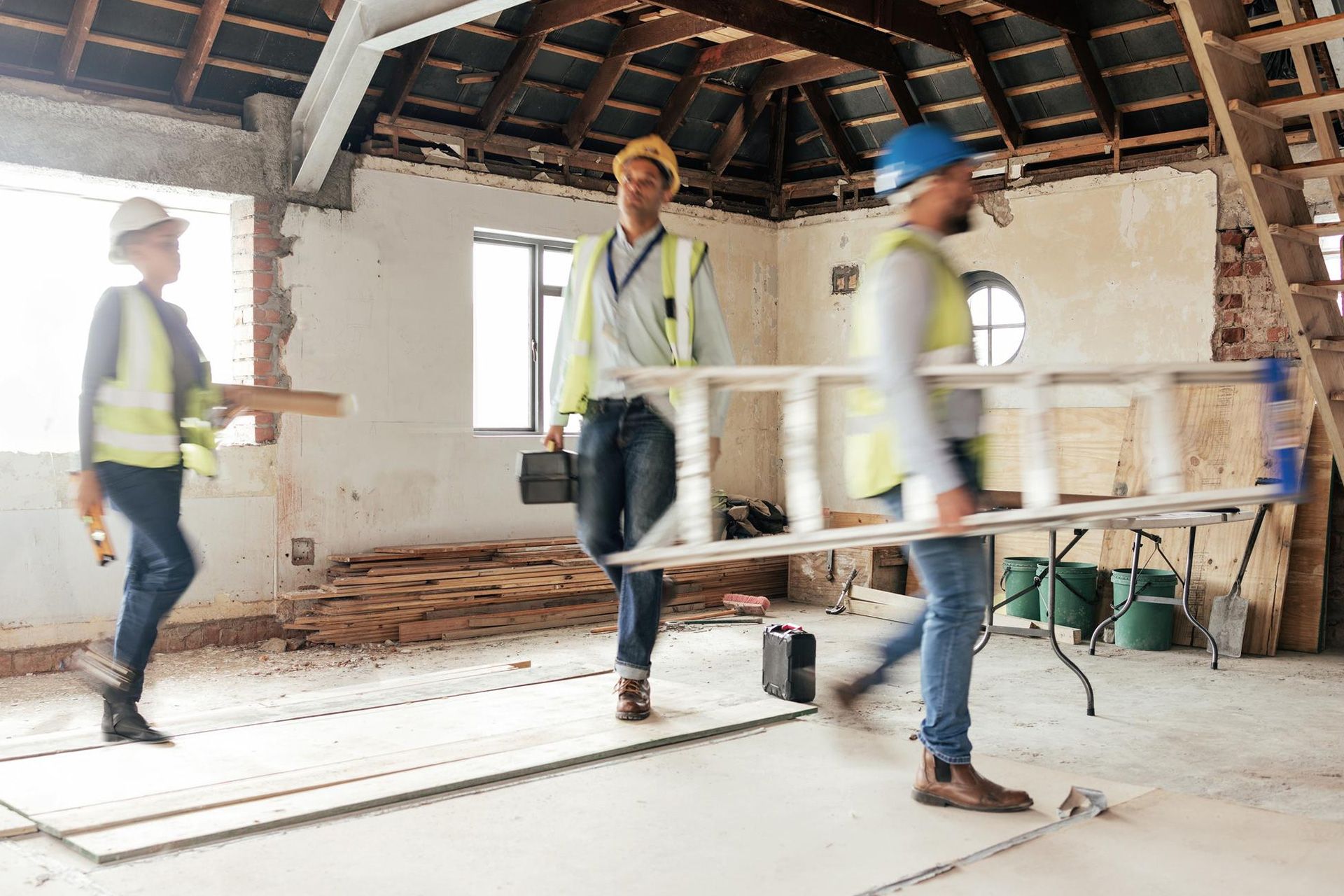
Do you know how to avoid common renovation mistakes with smart planning, clear scopes, and early material choices? Here is a guide for better project communication.
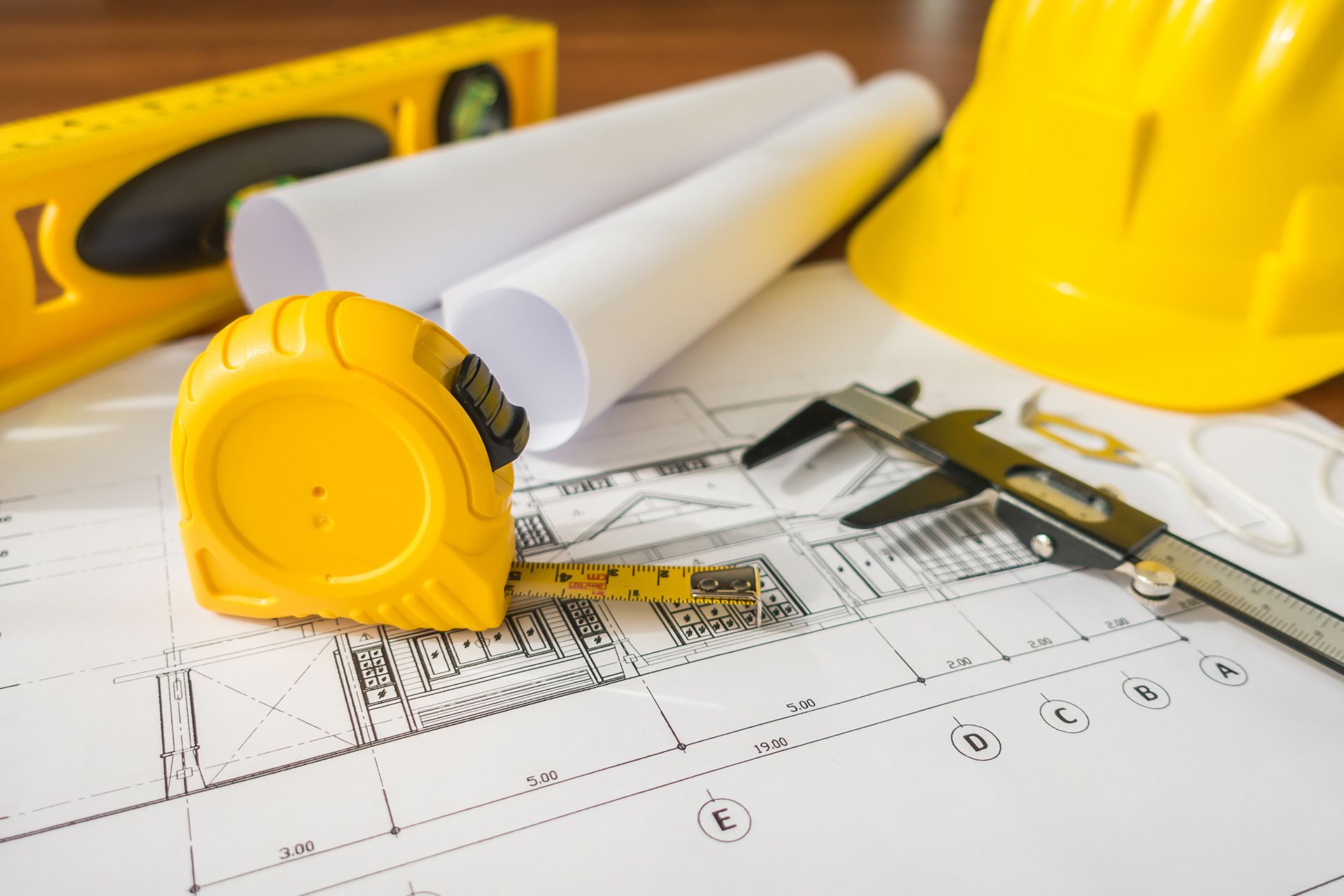
Learn how construction planning helps reduce project delays, improve scheduling, manage materials, and keep building projects organized. A complete guide here.
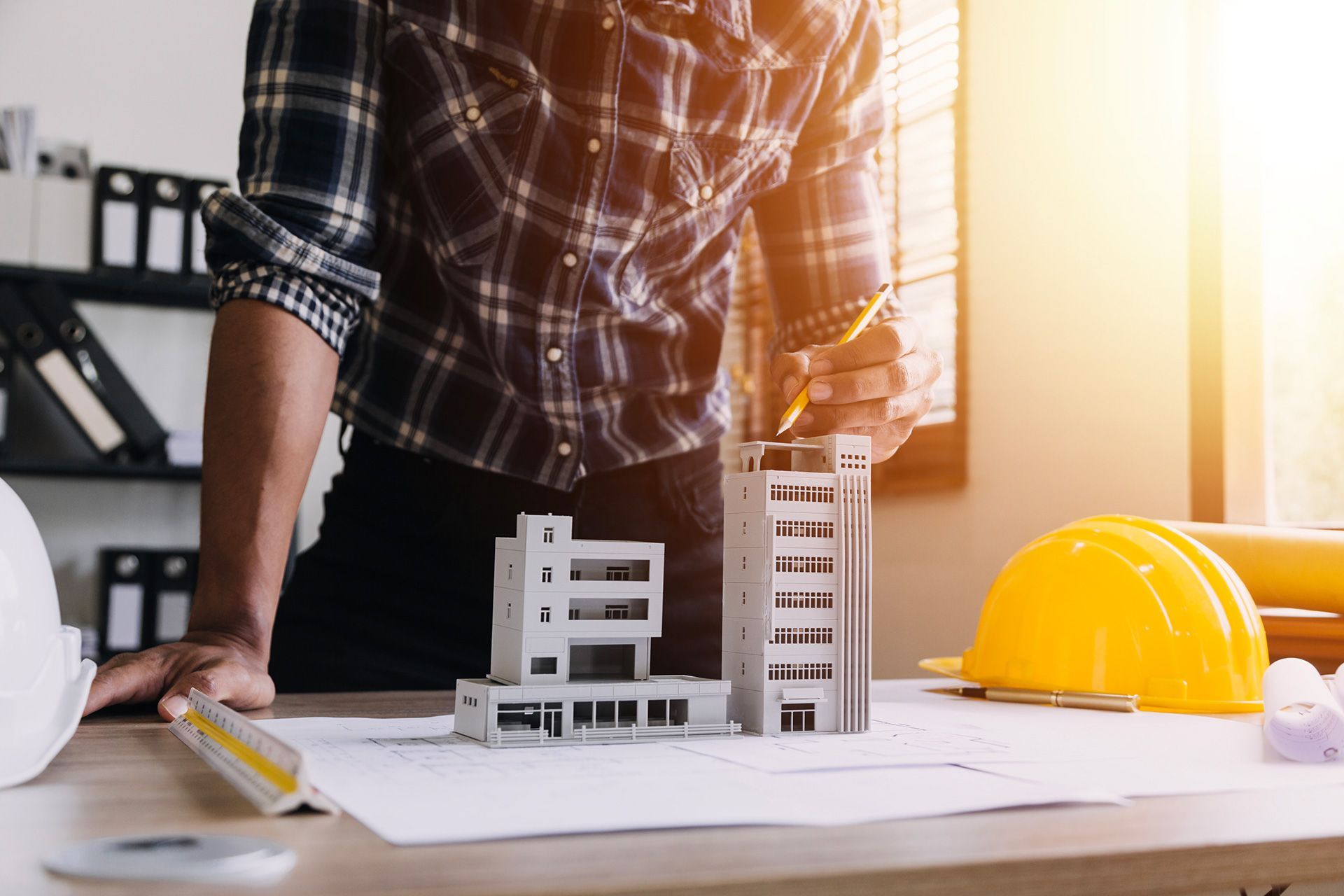
Want to construct a new home? Compare design-build and traditional construction to choose the right method for your project, timeline, team, and property goals.

Are you planning a property renovation now? Learn all the key steps, smart planning tips, and what to check before starting your home renovation project.
Property ownership is a big investment. Whether you own a home, rental property, or commercial building, protecting that investment should be a top priority. One of the best ways to do this is through regular property maintenance . Keeping a property in good shape does more than make it look nice—it helps protect and even increase your property value over time. In this article, we’ll explain why property maintenance matters, how it affects long-term value, and what property owners can do to stay ahead of costly repairs. What Is Property Maintenance? Property maintenance includes all the tasks needed to keep a property safe, functional, and attractive. This can include: Routine inspections Repairs and replacements Cleaning and landscaping Preventive maintenance Safety checks Maintenance can be done weekly, monthly, or yearly, depending on the type of property and its age. How Property Maintenance Protects Property Value Prevents Small Problems from Becoming Big Repairs Small issues can turn into expensive problems if ignored. A small roof leak, for example, can lead to water damage, mold, and structural issues. Regular property maintenance helps catch these problems early. Fixing issues when they are small: Costs less Takes less time Prevents damage to other parts of the property By staying proactive, property owners protect their long-term property value. Keeps the Property Safe and Livable Safety plays a major role in property value. Broken steps, faulty wiring, or plumbing leaks can put people at risk. Properties that are well-maintained are safer for occupants and visitors. A safe property: Attracts responsible tenants Reduces liability risks Meets local building and safety codes Safety concerns can lower property value quickly, especially during inspections or appraisals. Improves Curb Appeal and First Impressions First impressions matter. The outside of a property is the first thing people see. Clean siding, trimmed lawns, and fresh paint all send a strong message that the property is cared for. Good curb appeal: Increases buyer interest Helps rental properties lease faster Supports higher asking prices Regular property maintenance keeps the property looking fresh and inviting year-round. Property Maintenance and Long-Term Financial Benefits Increases Property Value Over Time A well-maintained property holds its value better than one that is neglected. In many cases, it can even increase in value faster than similar properties in poor condition. When it comes time to sell or refinance, buyers and lenders look closely at maintenance history. Properties with fewer visible issues often receive: Higher appraisals Better offers Faster sales This makes property maintenance a smart long-term financial strategy. Reduces Unexpected Expenses Emergency repairs can be costly and stressful. Regular maintenance helps avoid surprise breakdowns of major systems like HVAC, plumbing, and electrical. Scheduled maintenance: Extends the life of equipment Reduces emergency repair costs Helps owners plan their budgets better Spending a little now on maintenance can save thousands later. Helps Meet Insurance and Warranty Requirements Many insurance policies and equipment warranties require regular maintenance. If a claim is filed and poor upkeep is discovered, coverage may be denied. Proper property maintenance: Keeps insurance coverage valid Protects warranties on major systems Reduces claim disputes This added protection supports both property value and peace of mind. Why Property Maintenance Matters for Rental Properties Keeps Tenants Happy Tenants want to live in safe, clean, and well-maintained spaces. Quick repairs and regular upkeep show tenants that the property owner cares. Happy tenants are more likely to: Renew leases Pay rent on time Take better care of the property This leads to lower turnover and fewer vacancies, which directly supports long-term property value. Attracts Better Tenants Properties in good condition attract responsible tenants. People are willing to pay more for a well-maintained home or apartment. Good maintenance: Improves online reviews Reduces vacancy time Supports higher rental rates This increases cash flow while protecting the property’s condition. Preventive Maintenance vs. Reactive Maintenance What Is Preventive Maintenance? Preventive maintenance focuses on regular checks and upkeep to prevent issues before they happen. Examples include: HVAC servicing Roof inspections Gutter cleaning Plumbing checks This approach helps extend the life of building systems and reduces long-term costs. What Is Reactive Maintenance? Reactive maintenance happens after something breaks. While some repairs are unavoidable, relying only on reactive maintenance can lead to: Higher costs More damage Lower property value Preventive maintenance is almost always the better option for long-term value. Key Areas of Property Maintenance That Impact Value Structural Components The foundation, roof, walls, and framing are critical to property value. Regular inspections help identify cracks, leaks, or wear before they become serious problems. Mechanical Systems HVAC, plumbing, and electrical systems must work properly. Regular servicing keeps them efficient and reduces the risk of failure. Interior Maintenance Interior upkeep includes flooring, walls, fixtures, and appliances. Clean and updated interiors improve both comfort and value. Exterior Maintenance Exterior maintenance includes siding, paint, windows, doors, and landscaping. These features protect the property from weather damage and improve curb appeal. How Professional Property Maintenance Helps Working with a professional property maintenance company can make a big difference. Professionals know what to look for and can create a maintenance plan that fits the property’s needs. Benefits include: Consistent upkeep Expert inspections Faster repairs Peace of mind For many owners, professional services are a cost-effective way to protect long-term property value. Long-Term Value Starts with Smart Maintenance Property maintenance is not just about fixing things—it’s about protecting your investment. Regular upkeep helps prevent damage, control costs, and maintain safety. Over time, these efforts add up to higher property value, better returns, and fewer headaches. For homeowners, landlords, and investors alike, maintenance is one of the smartest decisions you can make for the future of your property. Protect your investment and maximize your property value—contact Sunshine Property Group today to learn how expert property maintenance can help your property thrive long term. Frequently Asked Questions (FAQs)
Property development plays a big role in shaping cities, neighborhoods, and communities across South Florida. From new homes and apartments to shopping centers and offices, property development helps meet the growing demand for places to live, work, and relax. If you are curious about what property development is , how real estate development works in Florida , or why Florida is such a hot market , this guide explains everything in simple terms. What Is Property Development? Property development is the process of buying land or existing buildings and improving them to increase their value. This can include building new homes, renovating old properties, or turning unused land into useful spaces. Property development is part of the larger real estate development industry. Developers manage projects from start to finish, including planning, permits, construction, and sales or rentals. Examples of Property Development Building single-family homes Developing apartment complexes Creating shopping plazas Renovating older buildings Turning vacant land into residential or commercial property What Is Real Estate Development? Real estate development is the business side of property development. It focuses on planning, financing, building, and selling or leasing properties. Developers work with architects, contractors, city planners, and investors to bring a project to life. Real estate development is not just about construction. It also involves: Market research Budget planning Legal approvals Risk management Long-term value creation Why Florida Is a Hot Spot for Property Development Florida is one of the fastest-growing states in the U.S., making it a top location for property and real estate development. Key Reasons Property Development Is Growing in Florida Strong population growth High demand for housing Favorable tax environment (no state income tax) Tourism and business growth Warm climate and lifestyle appeal Cities like Miami, Orlando, Tampa, Jacksonville, and Fort Lauderdale continue to attract new residents, investors, and businesses. How Property Development Works in Florida Property development follows a step-by-step process. Each stage is important to ensure success. Step 1: Finding the Right Property or Land The first step in property development is finding land or buildings with potential. Developers look for areas with: Strong demand Good location Growth potential Access to roads, schools, and services In Florida, coastal areas, growing suburbs, and urban centers are popular choices. Step 2: Market Research and Feasibility Study Before moving forward, developers conduct market research. This helps answer key questions: Is there demand for this type of property? What are similar properties selling or renting for? Will the project be profitable? A feasibility study looks at costs, risks, and expected returns. Step 3: Planning and Design Once a project makes sense financially, developers move into planning and design. This includes: Hiring architects and engineers Creating site plans Designing buildings Planning utilities and parking Florida has strict zoning and land-use rules, so plans must meet local requirements. Step 4: Permits and Approvals In Florida, permits and approvals are a major part of real estate development. Developers must work with: City or county planning departments Building code officials Environmental agencies Approvals can take weeks or months, depending on the project size and location. Step 5: Financing the Project Property development requires significant funding. Financing may come from: Banks or lenders Private investors Development loans Joint ventures A solid financial plan helps reduce risk and keep the project on track. Step 6: Construction Phase Once financing and permits are in place, construction begins. This stage includes: Site preparation Building foundations Structural work Electrical and plumbing Final finishes Developers oversee contractors to ensure quality, safety, and timelines are met. Step 7: Marketing, Selling, or Leasing After construction, the property is ready for the market. Developers may: Sell homes or units Lease commercial or residential space Hold the property for long-term income Strong marketing helps attract buyers and tenants quickly. Step 8: Property Management (Optional) Some developers continue managing the property after completion. Property management includes: Maintenance Rent collection Tenant relations Repairs and upgrades This step helps protect long-term value. Types of Property Development in Florida Florida offers many property development opportunities. Residential Development Single-family homes Townhomes Apartments Condos Commercial Development Office buildings Retail centers Warehouses Hotels Mixed-Use Development Combines residential, retail, and office spaces Popular in urban areas Land Development Preparing raw land for future construction Adding roads, utilities, and infrastructure Challenges of Property Development in Florida While Florida offers great opportunities, there are also challenges. Common Challenges Zoning restrictions Environmental regulations Rising construction costs Weather risks (hurricanes and flooding) Permit delays Experienced developers plan ahead to manage these risks. Benefits of Property Development Property development offers many advantages for investors and communities. Key Benefits Creates housing and jobs Increases property values Supports economic growth Offers strong return potential Improves neighborhoods Florida’s growing population makes these benefits even stronger. Why Work With a Professional Property Developer? Property and real estate development can be complex. Working with an experienced developer helps: Reduce risk Save time Avoid costly mistakes Ensure legal compliance Maximize returns Professional developers understand Florida’s local laws, markets, and construction requirements. Final Thoughts Property development and real estate development play a major role in Florida’s growth. With the right planning, research, and expert guidance, development projects can create lasting value for investors and communities alike. Ready to explore property development opportunities in Florida? Contact Sunshine Property Group today to get started. FAQs About Property Development in Florida
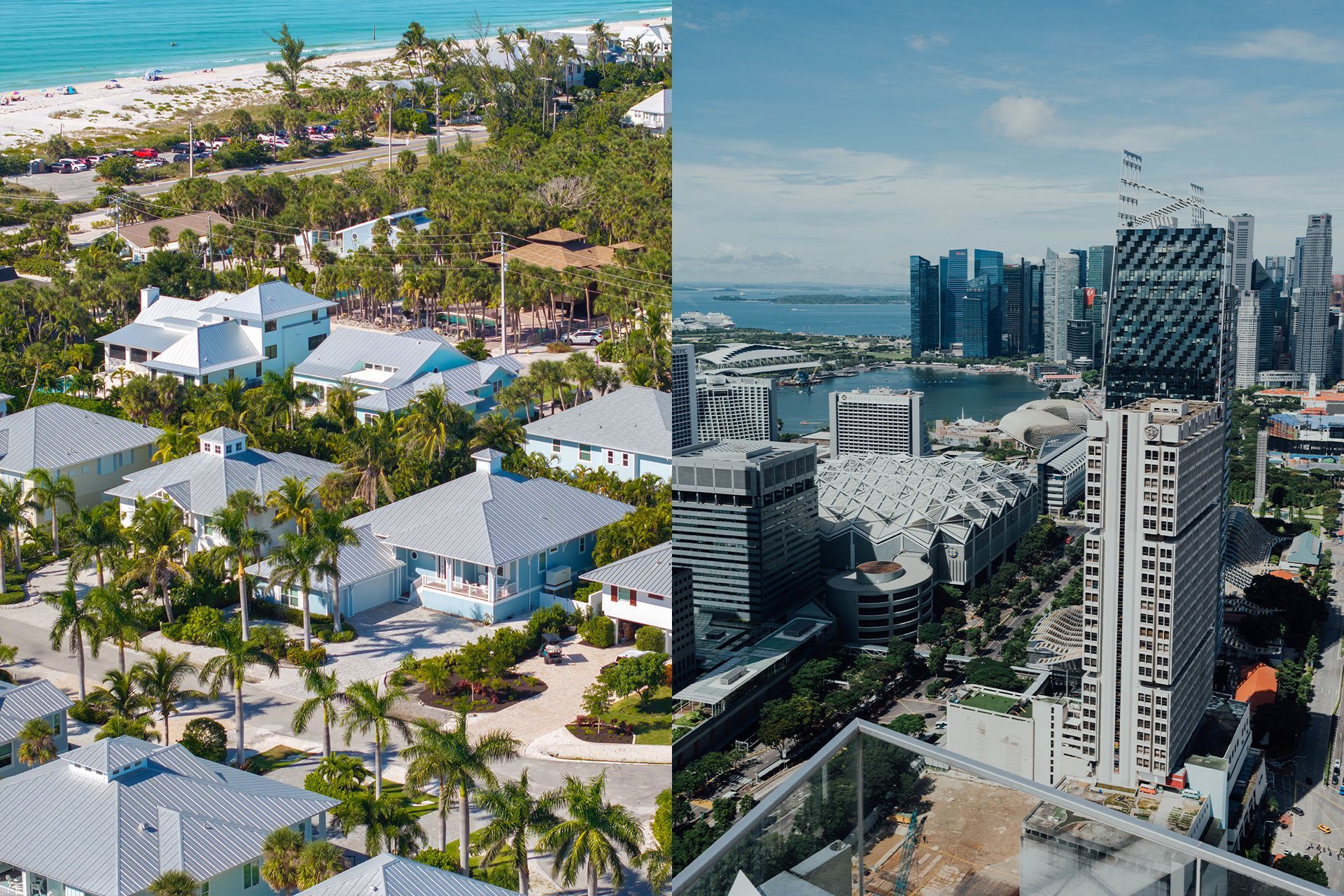
When buying or investing in real estate, one of the first choices you must make is between Residential Property and Commercial Property . While both are types of real estate, they serve very different purposes and come with different rules, costs, and benefits. Understanding these differences can help homeowners, investors, and business owners make smarter decisions. In this guide, we’ll break everything down in simple terms so you can clearly see which option fits your goals best. What Is Residential Property? Residential Property is real estate designed for people to live in. These properties are used as homes and living spaces, not for business operations. Common Types of Residential Property Single-family homes Apartments and condos Duplexes and triplexes Townhomes Vacation homes Most residential properties are rented or owned by individuals or families. What Is Commercial Property? Commercial Property is real estate used for business or income-generating activities. These properties are designed to support companies, services, and large-scale operations. Common Types of Commercial Property Office buildings Retail stores and shopping centers Warehouses Industrial facilities Hotels and motels Apartment buildings with 5 or more units Commercial properties are often owned by investors, corporations, or partnerships. Residential Property vs Commercial Property: Key Differences Below are the most important differences between residential and commercial real estate. 1. Purpose and Use The main difference lies in how the property is used. Residential Property is meant for living. Commercial Property is meant for business and profit. Zoning laws strictly control how each type can be used. A residential home usually cannot be turned into a business without proper approval. 2. Purchase Price and Investment Size Residential properties generally cost less than commercial ones. Residential homes are more affordable for first-time buyers. Commercial properties require higher upfront capital. Commercial investments may offer higher returns, but they also involve higher risks and larger financial commitments. 3. Financing and Loans Financing rules are very different for residential and commercial real estate. Residential Property Financing Easier loan approval Lower interest rates Longer loan terms (15–30 years) Government-backed loans available Commercial Property Financing Higher interest rates Shorter loan terms (5–20 years) Larger down payments Strong credit and business plans required Commercial loans focus more on the property’s income potential than personal income. 4. Lease Agreements Lease structures vary greatly between residential and commercial properties. Residential Leases Usually 6 to 12 months Simple agreements Landlord handles most repairs Commercial Leases Often 3 to 10 years More complex terms Tenants may cover taxes, insurance, and maintenance Commercial leases are designed to protect long-term business operations. 5. Maintenance and Management Maintenance responsibilities depend on the property type. Residential landlords often manage repairs themselves. Commercial property owners may hire professional property managers. Commercial tenants often handle interior maintenance, reducing some landlord responsibilities. 6. Income Potential Both property types can generate income, but in different ways. Residential Property Income Monthly rent Steady demand Lower vacancy risk Commercial Property Income Higher rent per square foot Longer leases Income tied to business success Commercial properties can offer higher returns, but income may fluctuate during economic changes. 7. Risk and Stability Risk levels vary depending on the property type. Residential property is generally more stable. People always need places to live. Commercial property depends on business performance. Economic downturns often affect commercial properties more than residential ones. 8. Market Demand Market demand plays a key role in property value. Residential demand is driven by population growth and housing needs. Commercial demand depends on job markets, business growth, and location. Both markets require research, but commercial trends can change faster. 9. Tax Considerations Taxes work differently for residential and commercial properties. Residential Property Taxes Lower property tax rates Mortgage interest deductions Possible capital gains exemptions Commercial Property Taxes Higher tax rates More depreciation benefits Business expense deductions Always consult a tax professional before investing. 10. Zoning and Legal Rules Zoning laws are stricter for commercial properties. Residential properties follow local housing codes. Commercial properties must meet safety, accessibility, and business regulations. Failure to meet these rules can lead to fines or shutdowns. Which Property Type Is Right for You? Choosing between Residential Property and Commercial Property depends on your goals. Residential Property Is Best If: You want stable income You are a first-time investor You prefer lower risk You want easier financing Commercial Property Is Best If: You want higher income potential You can handle higher risk You have business experience You are investing long-term Each option has its place in a strong real estate portfolio. Residential and Commercial Property as Investments Many investors start with residential real estate and later move into commercial properties. This allows them to build experience, capital, and confidence. At Sunshine Property Group , we help clients explore both residential and commercial opportunities based on their goals and budget. Final Thoughts Understanding the difference between Residential Property and Commercial Property is essential before buying, selling, or investing. Each has unique benefits, risks, and requirements. Making the right choice can lead to long-term success and financial growth. Contact Sunshine Property Group today to find the right residential or commercial property that fits your goals and budget. FAQs: Residential vs Commercial Property