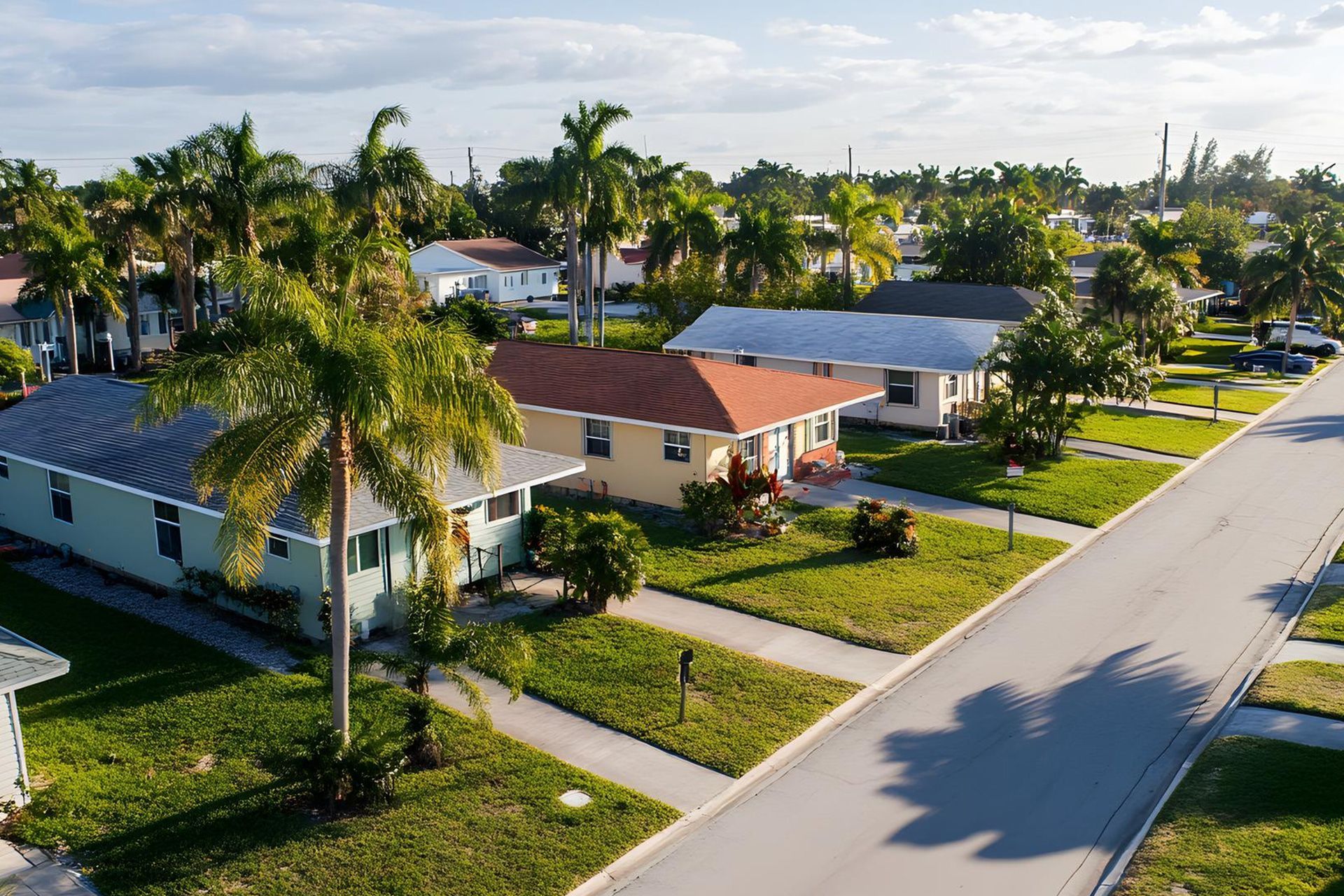
Residential vs Commercial Property: Key Differences

When buying or investing in real estate, one of the first choices you must make is between Residential Property and Commercial Property. While both are types of real estate, they serve very different purposes and come with different rules, costs, and benefits.
Understanding these differences can help homeowners, investors, and business owners make smarter decisions. In this guide, we’ll break everything down in simple terms so you can clearly see which option fits your goals best.
What Is Residential Property?
Residential Property is real estate designed for people to live in. These properties are used as homes and living spaces, not for business operations.
Common Types of Residential Property
- Single-family homes
- Apartments and condos
- Duplexes and triplexes
- Townhomes
- Vacation homes
Most residential properties are rented or owned by individuals or families.
What Is Commercial Property?
Commercial Property is real estate used for business or income-generating activities. These properties are designed to support companies, services, and large-scale operations.
Common Types of Commercial Property
- Office buildings
- Retail stores and shopping centers
- Warehouses
- Industrial facilities
- Hotels and motels
- Apartment buildings with 5 or more units
Commercial properties are often owned by investors, corporations, or partnerships.
Residential Property vs Commercial Property: Key Differences
Below are the most important differences between residential and commercial real estate.
1. Purpose and Use
The main difference lies in how the property is used.
- Residential Property is meant for living.
- Commercial Property is meant for business and profit.
Zoning laws strictly control how each type can be used. A residential home usually cannot be turned into a business without proper approval.
2. Purchase Price and Investment Size
Residential properties generally cost less than commercial ones.
- Residential homes are more affordable for first-time buyers.
- Commercial properties require higher upfront capital.
Commercial investments may offer higher returns, but they also involve higher risks and larger financial commitments.
3. Financing and Loans
Financing rules are very different for residential and commercial real estate.
Residential Property Financing
- Easier loan approval
- Lower interest rates
- Longer loan terms (15–30 years)
- Government-backed loans available
Commercial Property Financing
- Higher interest rates
- Shorter loan terms (5–20 years)
- Larger down payments
- Strong credit and business plans required
Commercial loans focus more on the property’s income potential than personal income.
4. Lease Agreements
Lease structures vary greatly between residential and commercial properties.
Residential Leases
- Usually 6 to 12 months
- Simple agreements
- Landlord handles most repairs
Commercial Leases
- Often 3 to 10 years
- More complex terms
- Tenants may cover taxes, insurance, and maintenance
Commercial leases are designed to protect long-term business operations.
5. Maintenance and Management
Maintenance responsibilities depend on the property type.
- Residential landlords often manage repairs themselves.
- Commercial property owners may hire professional property managers.
Commercial tenants often handle interior maintenance, reducing some landlord responsibilities.
6. Income Potential
Both property types can generate income, but in different ways.
Residential Property Income
- Monthly rent
- Steady demand
- Lower vacancy risk
Commercial Property Income
- Higher rent per square foot
- Longer leases
- Income tied to business success
Commercial properties can offer higher returns, but income may fluctuate during economic changes.
7. Risk and Stability
Risk levels vary depending on the property type.
- Residential property is generally more stable.
- People always need places to live.
- Commercial property depends on business performance.
Economic downturns often affect commercial properties more than residential ones.
8. Market Demand
Market demand plays a key role in property value.
- Residential demand is driven by population growth and housing needs.
- Commercial demand depends on job markets, business growth, and location.
Both markets require research, but commercial trends can change faster.
9. Tax Considerations
Taxes work differently for residential and commercial properties.
Residential Property Taxes
- Lower property tax rates
- Mortgage interest deductions
- Possible capital gains exemptions
Commercial Property Taxes
- Higher tax rates
- More depreciation benefits
- Business expense deductions
Always consult a tax professional before investing.
10. Zoning and Legal Rules
Zoning laws are stricter for commercial properties.
- Residential properties follow local housing codes.
- Commercial properties must meet safety, accessibility, and business regulations.
Failure to meet these rules can lead to fines or shutdowns.
Which Property Type Is Right for You?
Choosing between Residential Property and Commercial Property depends on your goals.
Residential Property Is Best If:
- You want stable income
- You are a first-time investor
- You prefer lower risk
- You want easier financing
Commercial Property Is Best If:
- You want higher income potential
- You can handle higher risk
- You have business experience
- You are investing long-term
Each option has its place in a strong real estate portfolio.
Residential and Commercial Property as Investments
Many investors start with residential real estate and later move into commercial properties. This allows them to build experience, capital, and confidence.
At Sunshine Property Group, we help clients explore both residential and commercial opportunities based on their goals and budget.
Final Thoughts
Understanding the difference between Residential Property and Commercial Property is essential before buying, selling, or investing. Each has unique benefits, risks, and requirements. Making the right choice can lead to long-term success and financial growth.
Contact Sunshine Property Group today to find the right residential or commercial property that fits your goals and budget.
FAQs: Residential vs Commercial Property
Is residential property safer than commercial property?
Yes, residential property is generally considered safer because people always need housing, even during economic downturns.
Which property type offers better returns?
Commercial property often offers higher returns, but it also comes with higher risks and costs.
Are commercial properties harder to finance?
Yes, commercial loans usually require larger down payments, higher interest rates, and stronger financial records.
Can a residential property be used for business?
In most cases, no. You must follow zoning laws and obtain special permits to use residential property for business purposes.
Is property management different for commercial real estate?
Yes, commercial properties often require professional management and more complex lease agreements.
Disclaimer: The information on this website and blog is for general informational purposes only and is not professional advice. We make no guarantees of accuracy or completeness. We disclaim all liability for errors, omissions, or reliance on this content. Always consult a qualified professional for specific guidance.
Search
Recent Posts