What Is Property Development and How It Works in Florida
Property development plays a big role in shaping cities, neighborhoods, and communities across South Florida. From new homes and apartments to shopping centers and offices, property development helps meet the growing demand for places to live, work, and relax.
If you are curious about what property development is, how real estate development works in Florida, or why Florida is such a hot market, this guide explains everything in simple terms.
What Is Property Development?
Property development is the process of buying land or existing buildings and improving them to increase their value. This can include building new homes, renovating old properties, or turning unused land into useful spaces.
Property development is part of the larger real estate development industry. Developers manage projects from start to finish, including planning, permits, construction, and sales or rentals.
Examples of Property Development
- Building single-family homes
- Developing apartment complexes
- Creating shopping plazas
- Renovating older buildings
- Turning vacant land into residential or commercial property
What Is Real Estate Development?
Real estate development is the business side of property development. It focuses on planning, financing, building, and selling or leasing properties. Developers work with architects, contractors, city planners, and investors to bring a project to life.
Real estate development is not just about construction. It also involves:
- Market research
- Budget planning
- Legal approvals
- Risk management
- Long-term value creation
Why Florida Is a Hot Spot for Property Development
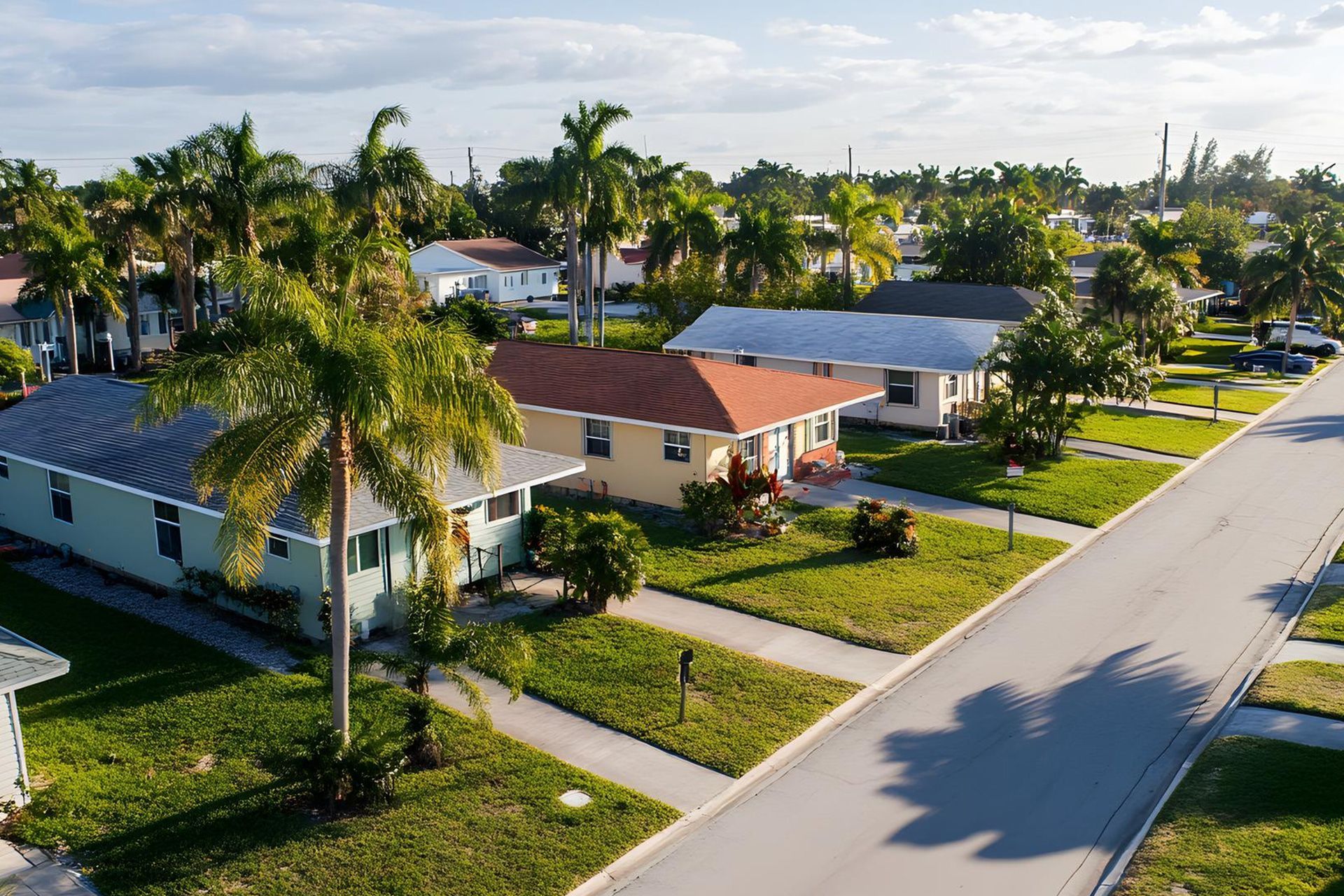
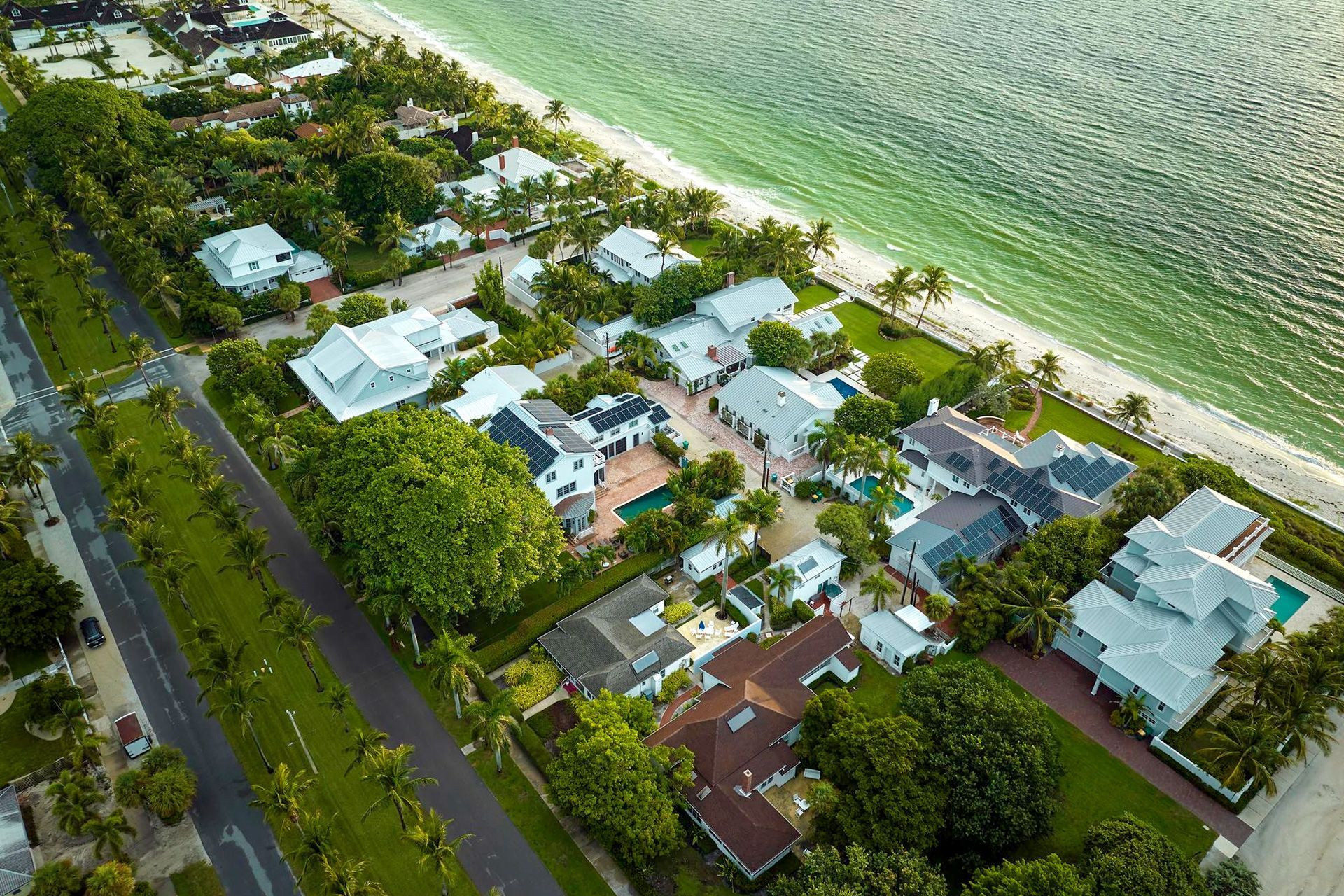
Florida is one of the fastest-growing states in the U.S., making it a top location for property and real estate development.
Key Reasons Property Development Is Growing in Florida
- Strong population growth
- High demand for housing
- Favorable tax environment (no state income tax)
- Tourism and business growth
- Warm climate and lifestyle appeal
Cities like Miami, Orlando, Tampa, Jacksonville, and Fort Lauderdale continue to attract new residents, investors, and businesses.
How Property Development Works in Florida
Property development follows a step-by-step process. Each stage is important to ensure success.
Step 1: Finding the Right Property or Land
The first step in property development is finding land or buildings with potential. Developers look for areas with:
- Strong demand
- Good location
- Growth potential
- Access to roads, schools, and services
In Florida, coastal areas, growing suburbs, and urban centers are popular choices.
Step 2: Market Research and Feasibility Study
Before moving forward, developers conduct market research. This helps answer key questions:
- Is there demand for this type of property?
- What are similar properties selling or renting for?
- Will the project be profitable?
A feasibility study looks at costs, risks, and expected returns.
Step 3: Planning and Design
Once a project makes sense financially, developers move into planning and design. This includes:
- Hiring architects and engineers
- Creating site plans
- Designing buildings
- Planning utilities and parking
Florida has strict zoning and land-use rules, so plans must meet local requirements.
Step 4: Permits and Approvals
In Florida, permits and approvals are a major part of real estate development. Developers must work with:
- City or county planning departments
- Building code officials
- Environmental agencies
Approvals can take weeks or months, depending on the project size and location.
Step 5: Financing the Project
Property development requires significant funding. Financing may come from:
- Banks or lenders
- Private investors
- Development loans
- Joint ventures
A solid financial plan helps reduce risk and keep the project on track.
Step 6: Construction Phase
Once financing and permits are in place, construction begins. This stage includes:
- Site preparation
- Building foundations
- Structural work
- Electrical and plumbing
- Final finishes
Developers oversee contractors to ensure quality, safety, and timelines are met.
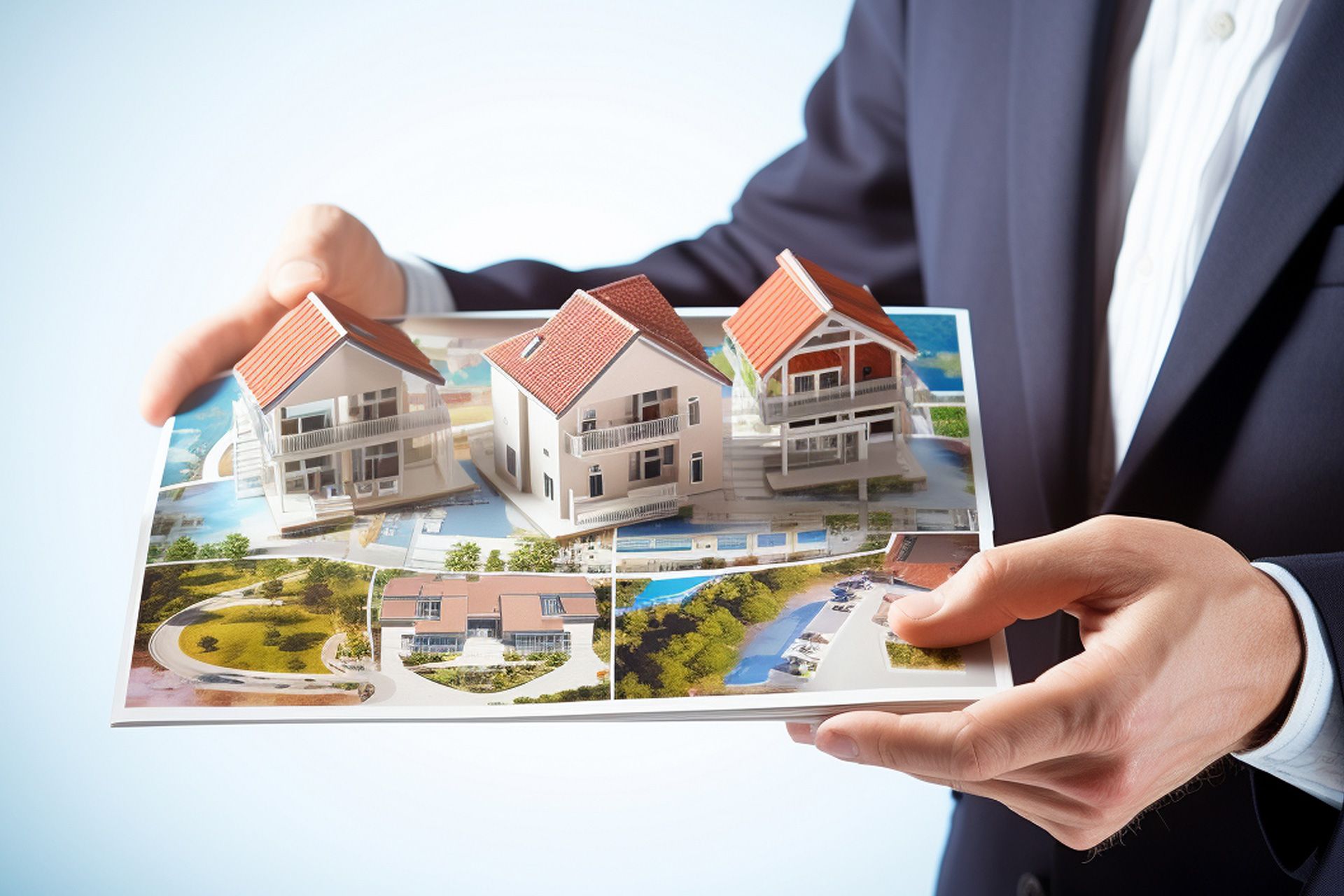
Step 7: Marketing, Selling, or Leasing
After construction, the property is ready for the market. Developers may:
- Sell homes or units
- Lease commercial or residential space
- Hold the property for long-term income
Strong marketing helps attract buyers and tenants quickly.
Step 8: Property Management (Optional)
Some developers continue managing the property after completion. Property management includes:
- Maintenance
- Rent collection
- Tenant relations
- Repairs and upgrades
This step helps protect long-term value.
Types of Property Development in Florida
Florida offers many property development opportunities.
Residential Development
- Single-family homes
- Townhomes
- Apartments
- Condos
Commercial Development
- Office buildings
- Retail centers
- Warehouses
- Hotels
Mixed-Use Development
- Combines residential, retail, and office spaces
- Popular in urban areas
Land Development
- Preparing raw land for future construction
- Adding roads, utilities, and infrastructure
Challenges of Property Development in Florida
While Florida offers great opportunities, there are also challenges.
Common Challenges
- Zoning restrictions
- Environmental regulations
- Rising construction costs
- Weather risks (hurricanes and flooding)
- Permit delays
Experienced developers plan ahead to manage these risks.
Benefits of Property Development
Property development offers many advantages for investors and communities.
Key Benefits
- Creates housing and jobs
- Increases property values
- Supports economic growth
- Offers strong return potential
- Improves neighborhoods
Florida’s growing population makes these benefits even stronger.
Why Work With a Professional Property Developer?
Property and real estate development can be complex. Working with an experienced developer helps:
- Reduce risk
- Save time
- Avoid costly mistakes
- Ensure legal compliance
- Maximize returns
Professional developers understand Florida’s local laws, markets, and construction requirements.
Final Thoughts
Property development and real estate development play a major role in Florida’s growth. With the right planning, research, and expert guidance, development projects can create lasting value for investors and communities alike.
Ready to explore property development opportunities in Florida? Contact Sunshine Property Group today to get started.
FAQs About Property Development in Florida
What is the difference between property development and real estate development?
Property development focuses on improving land or buildings, while real estate development covers the entire business process, including planning, financing, building, and selling.
Is property development profitable in Florida?
Yes, Florida offers strong growth potential due to population growth, tourism, and high housing demand.
How long does a property development project take?
Small projects may take 6–12 months, while large developments can take several years.
Do I need permits for property development in Florida?
Yes, permits and approvals are required for most development projects and vary by city and county.
Can individuals invest in property development?
Yes, individuals can invest directly or partner with experienced developers to reduce risk.
Disclaimer: The information on this website and blog is for general informational purposes only and is not professional advice. We make no guarantees of accuracy or completeness. We disclaim all liability for errors, omissions, or reliance on this content. Always consult a qualified professional for specific guidance.
Search
Recent Posts