The Ultimate Guide to Choosing Between New and Existing Homes
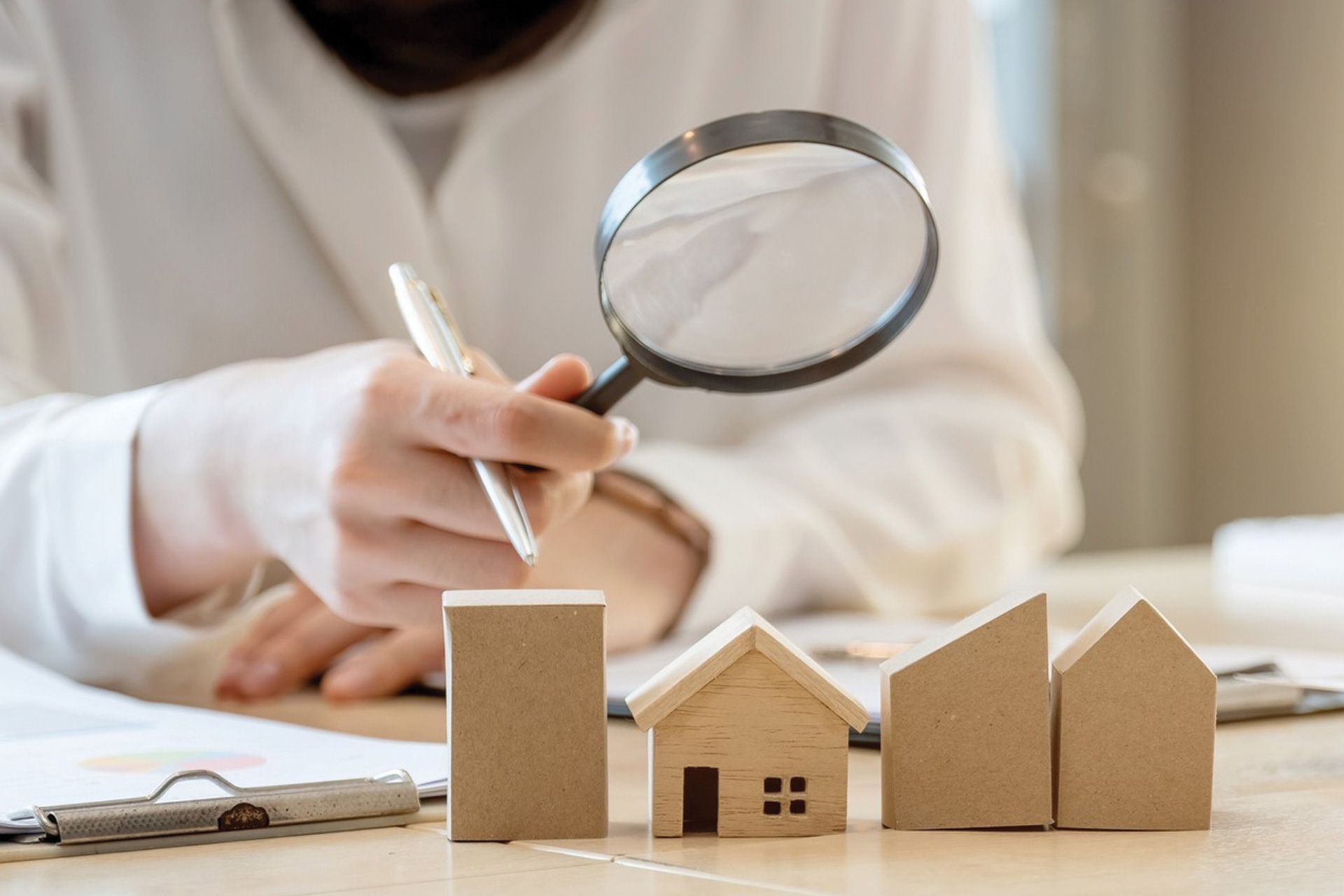
Choosing a home is about more than finding the right neighborhood or floor plan. Buyers also need to decide whether they want a newly built property or an existing home that has already been lived in. Each option comes with different benefits, limits, and planning needs.
For some buyers, buying a new construction home is appealing because it may feature modern layouts, current materials, and fewer immediate updates. Others prefer existing homes because they may offer established neighborhoods, mature landscaping, or features that are harder to find in newer developments.
The right choice depends on your priorities, timeline, lifestyle, and plans for the property.
What Is Considered a New Construction Home?
A new construction home is a recently built property that has never been occupied. Some homes are completed and ready for a buyer, while others are purchased during construction services or before work begins.
Depending on the project, buyers may be able to choose certain finishes, flooring, cabinets, or fixtures.
An existing home has already been owned or occupied. It may be only a few years old or several decades old. Its condition can range from move-in ready to needing repairs or upgrades.
Benefits of Choosing a New Home
One reason buyers consider new construction is the chance to start with a home designed around current living needs. Newer properties may include open living areas, modern kitchens, updated electrical capacity, and storage designed for today's households.
Major finishes and systems may not have been used in years, which can reduce the number of immediate updates a buyer faces.
Buying a new construction home can also appeal to buyers who want a consistent design. Instead of remodeling several rooms after moving in, they may find a home that already matches many of their preferences.
Still, new does not mean perfect. Buyers should review workmanship, confirm what is included, and check the final condition before closing.
Possible Drawbacks of New Construction
A fair review of the pros and cons of new construction homes should also consider the limits.
New property development may have limited mature landscaping, nearby ongoing construction, or community rules that affect future changes. A home purchased before completion may also require buyers to make decisions based on plans or model homes instead of the finished property. Zillow also notes that visualizing an unfinished home can be challenging for some buyers.
Important points to review include:
- Construction timeline: Ask how completion updates are communicated and what work must happen before closing. A changing construction schedule can affect moving plans.
- Included features: Model homes may include upgrades that aren't included everywhere. Confirm finishes, appliances, fixtures, landscaping, and other details in writing.
- Neighborhood development: Roads, nearby homes, and shared amenities may still be under construction. Consider how the area may function while development continues.
Why Buyers Choose Existing Homes
Existing homes offer different advantages. Buyers can usually tour the exact property, see natural light, evaluate room sizes, and understand how the home relates to neighboring properties.
Established neighborhoods may also provide mature trees, completed streets, and a clearer sense of the surrounding area. Older homes can offer architectural details, larger lots, or layouts that appeal to buyers who prefer character.
A buyer may also find an existing home with a good location and sound structure but outdated finishes that can be improved over time.
Challenges That Can Come With Existing Homes
The condition of an existing property matters greatly. A home may look attractive but still have older roofing, plumbing, electrical components, HVAC equipment, windows, or moisture concerns.
Before deciding, consider:
- Age of major systems: Learn what you can about the roof, cooling system, water heater, wiring, plumbing, and other important components.
- Past modifications: Older homes may have additions or remodeling work completed by previous owners. Review available records and ask qualified professionals about concerns.
- Future renovation needs: Decide which changes are essential and which can wait. This helps you judge whether the property fits the amount of work you want to manage.
New Construction vs Existing Home: Focus on Your Priorities
The best option is not the same for every buyer. Instead of asking which type is better overall, ask which one better supports your needs.
If you want a newer layout, fewer immediate updates, and some ability to select finishes, new construction may be appealing. If you value an established neighborhood, mature surroundings, or a specific location, an existing property may be the better fit.
Think about how long you plan to stay, how much renovation work you can manage, and which features matter most.
Look Beyond Interior Finishes
Fresh paint, new cabinets, and stylish flooring can influence a buyer's first impression, but they shouldn't drive the decision.
For new homes, review construction details, drainage, exterior finishes, windows, doors, and major systems. For existing homes, look beyond cosmetic updates to understand the age and condition of major components.
The site also matters. Consider outdoor space, parking, drainage, neighboring properties, access, and how the location supports your routine.
In South Florida, buyers should also think about moisture management, ventilation, storm exposure, and exterior maintenance when comparing properties.
Understand the Property's Improvement Potential
Some buyers want a finished home that requires few changes. Others are comfortable improving a property over time.
An existing home may allow you to redesign a kitchen, update bathrooms, improve storage, or change finishes. Larger layout changes, however, can involve structural, electrical, plumbing, or HVAC work.
Community requirements or lot conditions may also affect future changes to a new home. Ask what each property can become, not only what it looks like today.
Making the Final Decision
If you are buying a new construction home, review the completion stage, included features, community plans, and final condition. If you are considering an existing property, focus on its condition, maintenance history, major systems, and renovation potential.
A useful review of the pros and cons of new construction homes should be compared with the strengths and limitations of the actual existing homes available to you. General assumptions are less useful than evaluating real properties against your priorities.
Create a short list of must-haves, acceptable compromises, and deal breakers. Then compare each home using the same standards.
Conclusion
New and existing homes can both be good choices when they match the buyer's needs. New construction may offer modern design, newer systems, and fewer immediate updates. Existing homes may provide established locations, mature surroundings, distinctive features, and renovation opportunities.
Sunshine Property Group supports homebuyers and investors across West Palm Beach and South Florida with residential real estate guidance backed by experience in construction, refurbishment, design, and property maintenance. This integrated perspective helps buyers consider both the transaction and a property's condition or improvement potential.
If you are comparing new and existing homes, contact Sunshine Property Group to schedule a consultation and discuss your property goals.
FAQs
Is a Newly Built Home Always Move-In Ready?
Not always. Some homes are sold before construction is fully complete, while others may still need final corrections, landscaping, or owner-selected items before occupancy.
Can I Renovate an Existing Home After Buying It?
Yes, depending on the property and planned work. Before making major changes, evaluate the structure and building systems so the renovation plan is realistic.
What Should I Check When Touring a New Construction Home?
Look beyond finishes. Review the room's function, storage, windows, doors, exterior areas, drainage, installed systems, workmanship, and which features are actually included.
Are Existing Homes Better for Buyers Who Want Larger Lots?
Sometimes, but not always. Lot sizes vary by neighborhood and development. Compare actual properties rather than assuming every older home offers more outdoor space.
How Can I Compare Two Homes Fairly?
Use the same checklist for both. Compare location, condition, layout, maintenance needs, future improvements, outdoor space, and how well each property supports your long-term plans.
Disclaimer: The information on this website and blog is for general informational purposes only and is not professional advice. We make no guarantees of accuracy or completeness. We disclaim all liability for errors, omissions, or reliance on this content. Always consult a qualified professional for specific guidance.
Search
Recent Posts