Renovate or Rebuild? How to Make the Right Choice for Your Home
A home that no longer meets your needs can create a difficult decision. Should you improve the existing structure, or remove it and start again? Both options can improve the home, but they involve different levels of work.
Homeowners often ask, is it better to renovate or build new when the layout feels outdated, major repairs are needed, or the family has outgrown the space? The answer depends on the condition of the house, your long-term goals, local building limits, and how much of the current structure is worth keeping.
This guide explains the key factors in remodeling vs new construction so you can discuss your options clearly with qualified professionals.
Start With the Home’s Current Condition
Before choosing a direction, find out what condition the house is really in. Worn floors, dated cabinets, and old paint may be easy to address through renovation. Structural movement, repeated water intrusion, roof problems, or failing systems may point to a larger project.
A professional review may need to consider the foundation, framing, roof, electrical system, plumbing, HVAC equipment, drainage, and moisture conditions. A home may look tired but remain structurally sound, while another may hide damage.
The building’s condition is one of the most important factors in remodeling vs new construction. Home renovation can preserve useful parts easily. Rebuilding services may be more practical when several major components need replacement.
When Home Renovation May Make More Sense
Home renovation works well when the foundation and frame remain sound, but the home needs better function, updated systems, or a refreshed appearance. It lets you keep useful parts while changing areas that no longer work.
Home renovation may be the better choice when:
- The main structure is usable. A stable foundation, sound framing, and serviceable roof create a practical starting point.
- You value the home’s location or character. Renovation can preserve architectural details, mature landscaping, familiar features, or areas with personal value.
- The changes are focused. Updating a kitchen, improving bathrooms, adding storage, replacing finishes, or opening part of the floor plan may not require a full rebuild.
- The work can happen in stages. Some homeowners improve one area at a time, which can make disruption easier to manage.
Renovation may also be useful when local rules limit the height, size, location, or design of a replacement home. Confirm these requirements before planning begins.
When Rebuilding May Be the Stronger Option
Rebuilding allows the home to be planned as one complete system instead of working around an existing layout. It may be suitable when the structure has widespread damage, serious limits, or a design that cannot be changed efficiently.
Consider home rebuilding when:
- Several structural areas need major work. If the foundation, framing, roof, and exterior walls all need extensive repairs, keeping the original building may offer little benefit.
- The layout conflicts with your goals. Low ceilings, narrow rooms, poor natural light, or difficult structural walls may prevent the changes your household needs.
- You want a completely different home. Adding floors, changing the footprint, raising the structure, or creating a new room arrangement may move the project closer to new construction.
- You want systems planned together. A new design can coordinate windows, ventilation, wiring, plumbing, drainage, and mechanical equipment from the beginning.
A rebuild still requires careful planning. Demolition, approvals, site conditions, utilities, permits, and construction sequencing all affect the final scope.
Compare Each Option With Your Long-Term Goals
The right choice should support how you plan to use the property.
Think about household size, accessibility, storage, work areas, outdoor connections, parking, guest space, and future maintenance. Thoughtful renovation and design services may solve these needs without replacing the entire house. In other cases, an unsuitable structure may create compromises throughout the property.
When reviewing remodeling vs new construction, separate essential needs from optional preferences. Essential goals may include safe systems, enough bedrooms, accessible entrances, or moisture protection. Optional goals may include a certain finish style, larger closets, or a specialty room.
Review the Site and Local Requirements
The lot may affect what you can renovate or rebuild. Setbacks, easements, drainage, utility locations, flood rules, and neighborhood requirements can limit design choices.
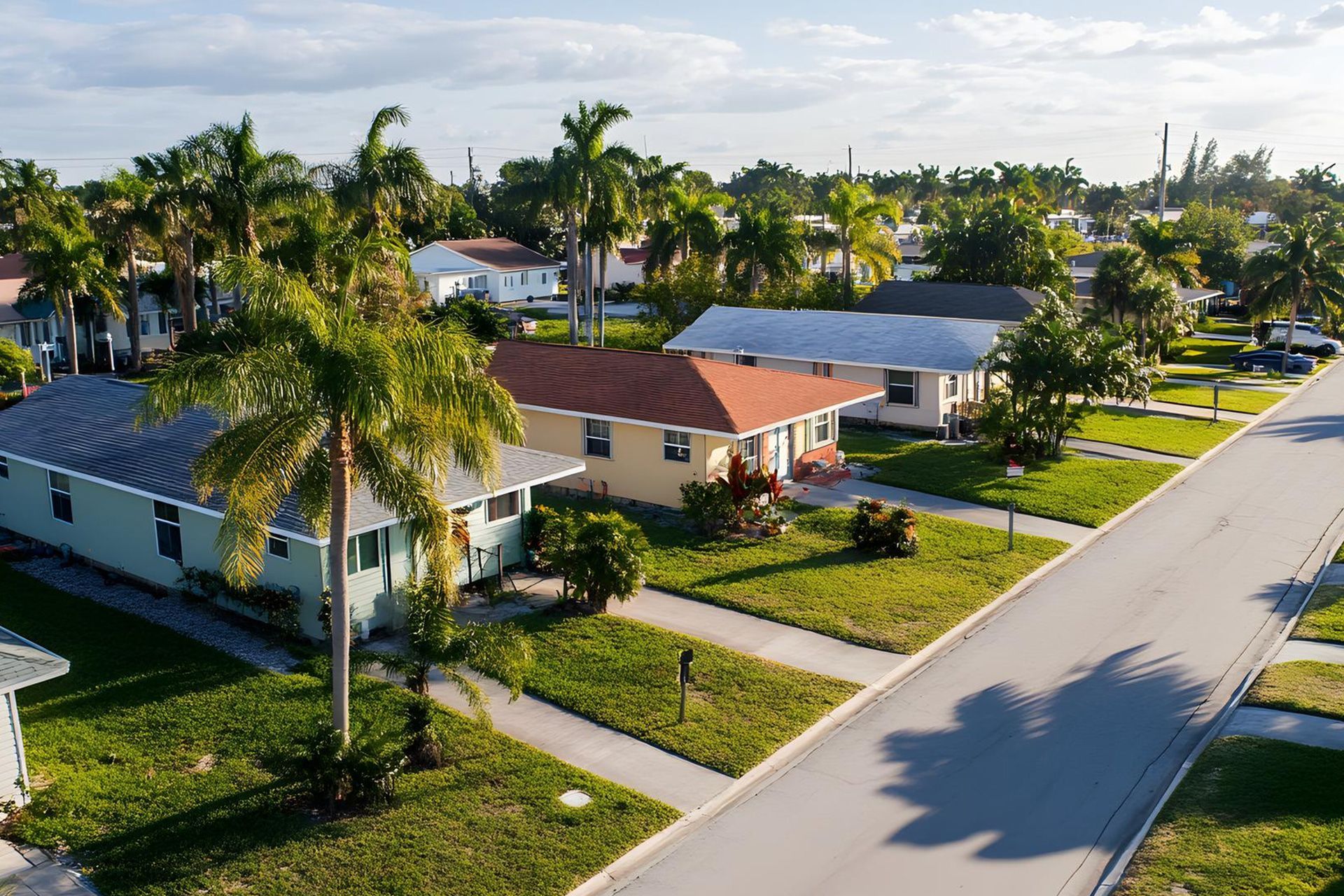
For homes in West Palm Beach and other South Florida communities, storm exposure, humidity, drainage, wind requirements, and flood conditions may also influence planning. The refurbishment service should respond to the actual property.
Before choosing an option, confirm what the site allows, which approvals are needed, how water moves across the property, and whether the lot provides enough access for equipment and materials.
Plan for Disruption and Hidden Conditions
Renovation does not always mean a simple project. Whole-home work may involve demolition, open walls, dust, noise, utility shutdowns, and limited access. Hidden concerns can also appear after finishes are removed.
New construction often begins with demolition or site preparation and continues through the foundation, framing, systems, finishes, and final checks. The home will not be available for normal use during much of the work.
Decide where your household will stay, how belongings will be protected, and which choices must be completed before each stage. Proper construction planning helps reduce unexpected delays and keeps projects organized from start to finish. Disruption is a practical part of remodeling vs. new construction.
Avoid Choosing Based Only on Appearance
An outdated home is not automatically a poor renovation candidate. Paint, flooring, fixtures, and cabinets can make a sound property look worse than it is. A recently updated interior also does not prove that the wiring, plumbing, roof, or framing is in good condition.
Start with the structure, then consider the layout, and finally choose visible finishes. Moving one wall may affect flooring, ceilings, wiring, ducts, plumbing, cabinets, and nearby rooms, so early planning matters.
Work With a Coordinated Project Team
Homeowners sometimes ask whether it is better to renovate or build new before enough information is available. Depending on the project, a contractor, architect, designer, engineer, or specialist may need to review the home.
The team should explain which parts can remain, which systems need attention, and how the proposed layout affects the structure. They should also clarify approvals, project stages, material decisions, and possible limits in plain language.
Coordinated planning gives everyone a shared understanding of the property and project.
Conclusion
Renovation may be appropriate when the home is structurally sound, valuable features are worth preserving, and focused changes can meet your needs. Rebuilding may be more practical when major systems are failing, the layout creates serious limits, or your plans require a very different structure.
A careful remodeling vs new construction review should consider the building condition, property limits, household goals, approvals, disruption, and long-term function.
Sunshine Property Group helps homeowners in West Palm Beach and across South Florida plan residential improvement projects through a coordinated approach. Our team brings property, design, construction, refurbishment, and maintenance knowledge together under one roof.
Contact Sunshine Property Group to schedule a consultation and discuss the right direction for your home.
FAQs
Can I Keep Part of My Home and Rebuild the Rest?
Yes. Some projects preserve a sound section while replacing damaged or unsuitable areas. A qualified professional should review how the old and new sections will connect.
Does an Old Home Always Need to Be Rebuilt?
No. Age alone does not decide the right approach. An older home with a stable structure may still be suitable for renovation.
Can I Live in My House During Renovation?
It depends on the scope, safety conditions, dust, access, and utility interruptions. Large projects may require temporary relocation.
Should I Renovate Before Selling?
That depends on the property’s condition and local buyer expectations. Focus on improvements that make the home safer, more useful, and easier to present.
Who Should Review My Home Before a Major Project?
The right team depends on the planned work. You may need a contractor, architect, engineer, designer, inspector, or specialist familiar with local requirements.
Disclaimer: The information on this website and blog is for general informational purposes only and is not professional advice. We make no guarantees of accuracy or completeness. We disclaim all liability for errors, omissions, or reliance on this content. Always consult a qualified professional for specific guidance.
Search
Recent Posts